Hemorrhoids and pregnancy: everything you need to know
The hemorrhoids in pregnancy, They are one of those "annoyances" that nobody talks about, despite affecting more than half of pregnant women, especially from the second trimester onwards.
If you've landed on this post, you've probably already realized that, right?
We often hear about pregnancy as an idyllic stage where the woman feels splendid, beautiful and tremendously happy.
But pregnancy also means nausea, vomiting, fatigue, insomnia, swollen feet, exhaustion and… hemorrhoids.
If that itchy, uncomfortable, and painful feeling has taken hold in your bottom and is preventing you from enjoying your pregnancy in peace, stay here. We're going to tell you everything no one wanted to tell you about hemorrhoids during pregnancy.
What are they? Why do hemorrhoids appear during pregnancy? How long do they last? And, what we know you're dying to find out, How to relieve hemorrhoids during pregnancy to feel better?
Let's find out!
In this article you will find:

DOWNLOAD OUR FREE GUIDE TO SURVIVING POSTPARTUM
Want to plan your postpartum period like a pro? Discover everything no one has told you about the real postpartum experience in our guide—you'll be glad you knew!
Hemorrhoids in pregnancy, what are they?
Hemorrhoids, also known as piles, are swollen veins located around the anus and they take the form of small bumps. They can be internal (when they remain in the rectal area) or external (when they protrude from the edge of the anus).
The most common symptoms of hemorrhoids are itching, irritation, swelling, pain, discomfort when going to the bathroom and, in certain cases, bleeding associated with defecation that can be seen in the toilet or on the toilet paper after wiping.
The truth is that this condition is more common than it might seem. And that's because Around 40% of women suffer from hemorrhoids during pregnancy. But why do they appear? Let's see.

Why do hemorrhoids appear during pregnancy?
The main explanation for hemorrhoids in pregnancy is the increased pressure that the baby exerts on the pelvis.
As your baby grows, your uterus grows with it. This growth puts increasing pressure on the veins in your rectum and anus, which can become swollen and painful.
To this we must add the increased progesterone, a hormone that relaxes the walls of the veins, making them more prone to swelling.
Furthermore, we must take into account that during pregnancy the blood volume increases of a 30% to 50% to ensure your baby is well oxygenated and has an adequate supply of nutrients.
As a result, your veins enlarge, which contributes to the appearance of hemorrhoids during pregnancy.
Other factors that influence the appearance of hemorrhoids during pregnancy are:
- Constipation (caused by pressure from the uterus against the intestine or the consumption of iron supplements during pregnancy)
- Stay seated or standing for long periods of time
- Lift weight excessively.

Hemorrhoids in pregnancy, when do they appear?
Hemorrhoids in pregnancy are most common to appear in the third trimester, around week 28.
This is when the uterus grows larger, filling the entire abdominal cavity and putting greater pressure on the veins.
If you have suffered from hemorrhoids before your pregnancy or in previous pregnancies, they are more likely to appear earlier, during the first few weeks.
They can also make an appearance immediately after the labor. Think about it: during pushing, our abdominal and pelvic muscles make a titanic effort to achieve the expulsion.
This prolonged pressure phase can cause hemorrhoids to worsen or become more prominent if you had been free of them until then.
How can I tell if I have hemorrhoids during pregnancy?
If you suspect you have hemorrhoids, but aren't sure, here are some clues to help you confirm:
- You feel itching or pain around the anus.
- You just went to the bathroom, but you still feel the need to poop.
- You see blood on toilet paper or in the toilet bowl after going to the bathroom (sometimes this is the only way to know that internal hemorrhoids exist).
- You notice a secretion of mucus after pooping.
- Grades protuberances in the external area of the anus (in this case they will be external hemorrhoids).
If you have any doubts, grab a mirror and take a look. They're not exactly a picture to remember, but health comes first, right?
If, even after doing these checks, you still have doubts, mention it to your midwife at your next visit so she can take a look.
Don't be embarrassed about it. You know that hemorrhoids are very common during pregnancy, and midwives are more than used to dealing with them.
How long do hemorrhoids last during pregnancy?
As we have seen, 1 in 4 women suffer from hemorrhoids during pregnancy, and you, who are reading this post, are probably one of them.
But there is good news. And that is that Hemorrhoids during pregnancy are not harmful to your health nor for your baby's and are usually a short-term problem.
Generally, most of the hemorrhoids disappear on their own after childbirth in a few weeks, although some may persist for months.
It is advisable that, if at any time during pregnancy you notice sudden pain in the hemorrhoid area or abnormal bleeding, you go to the hospital emergency room for a check-up. It is rare, but there is a possibility of hemorrhoidal thrombosis, which must be treated.
How to prevent hemorrhoids and constipation during pregnancy: 10 practical tips

You already know that there are several causes behind hemorrhoids in pregnancy and, although most are unavoidable —your baby has to grow as well as your uterus generating pressure on your pelvis and intestines—, there is something that will help you prevent their appearance. The aim is to avoid constipation.
Remember that constipation can aggravate, and even cause, hemorrhoids during pregnancy. When stools are hard, you have to strain to pass them, and this excessive pressure on the veins in the rectal area contributes to inflammation.
To get rid of constipation, put these 10 tips into practice:
- Start each morning with a glass of water and a teaspoon of flax seeds (They must be soaked for at least 12 hours).
- Stay well hydrated. In fact, the European Food Safety Authority recommends drinking 2.3 liters of water a day during pregnancy.
- Consumption increases foods high in fiber in your daily diet (avocados, broccoli, artichoke, cabbage, oats, quinoa, lentils, peas, nuts, plums, kiwis or pears are good options).
- Don't hold back The urge to poop and visit the bathroom as soon as you feel the need.
- Avoid sitting on the toilet for too long. to avoid putting unnecessary and prolonged pressure on the intestines and rectum. Yes, we know that this little moment alone in the bathroom is sometimes our break during the day to relax with our phones in hand (especially if there are older siblings at home). But while you're pregnant, you'll have to give up this hiding place. Use as much only the necessary time to defecate or urinate.
- Do not remain seated or standing for long periods of time.. For example, at work, try to walk for a few minutes every hour.
- If you're relaxing on the sofa, do it. lying on her side to avoid pressure on the rectal veins. Likewise, the most suitable sleeping position for hemorrhoids during pregnancy is lie down on your left side. This will also help oxygen reach the placenta more effectively.
- Do Kegel exercises Do these exercises daily to strengthen your pelvic floor muscles and help support your rectum. They will also help improve circulation in the area. preparing the perineum for childbirth.
- Stay active and exercise regularly. Simply going for a walk every day helps increase circulation and improve digestion. Having a sluggish bowel doesn't help you combat constipation.
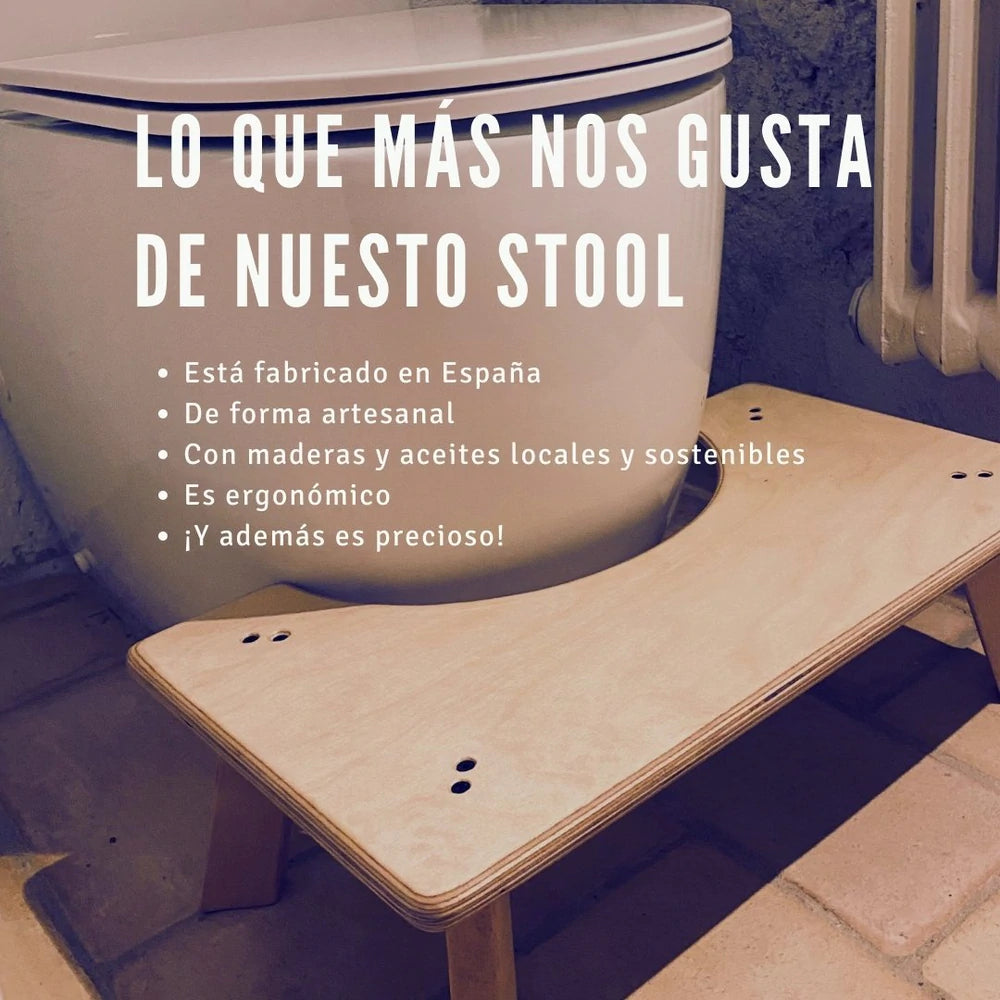
- Did you know that the best way to go to the bathroom is by squatting? To do this, use a bathroom stool. It allows you to regain an ergonomic position and helps with more efficient emptying, preventing constipation.
DOWNLOAD OUR FREE GUIDE TO SURVIVING POSTPARTUM
Want to plan your postpartum period like a pro? Discover everything no one has told you about the real postpartum experience in our guide—you'll be glad you knew!
What can you do to treat and relieve hemorrhoids during pregnancy?
If, despite your best efforts, hemorrhoids have decided to make an appearance during your sweet wait to sour it a little, don't despair.
There are ways to treat and relieve hemorrhoids during pregnancy. We'll tell you about them.
-
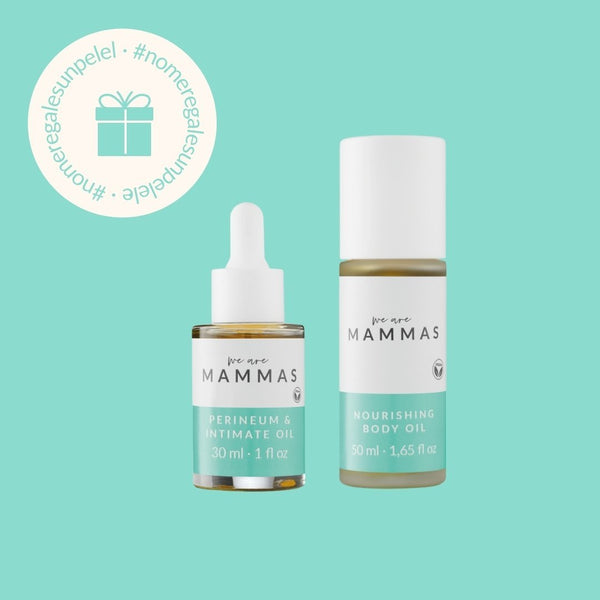
Apply in the year natural oils with calendula to relieve itching, reduce inflammation of hemorrhoids during pregnancy and facilitate the passage of stools.
-
You can use a horseshoe-shaped cushion to relieve pressure while you are sitting.
-
Keep a painless hygiene, avoiding toilet paper, making use of portable bidets / Peri bottles, which will also be very useful for facilitating your postpartum self-care routine in the intimate area.
-
Make sure dry the area after each bath because excess moisture can cause irritation.
-
In the case of external hemorrhoids during pregnancy, you can gently push the hemorrhoid back into the anus to reduce discomfort and congestion.
-
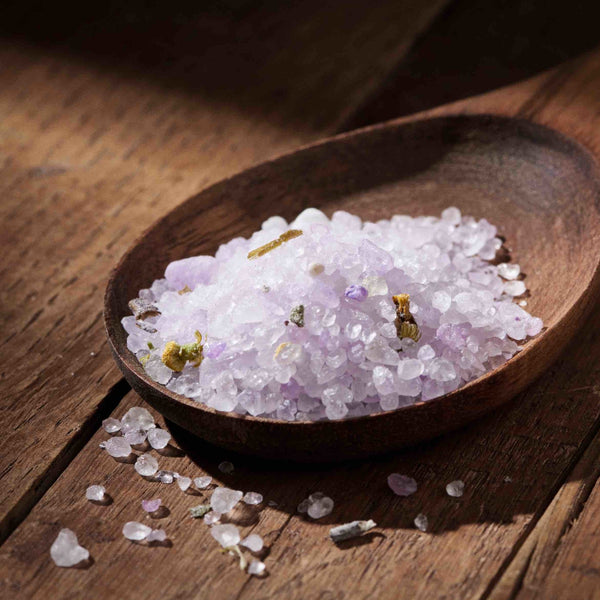
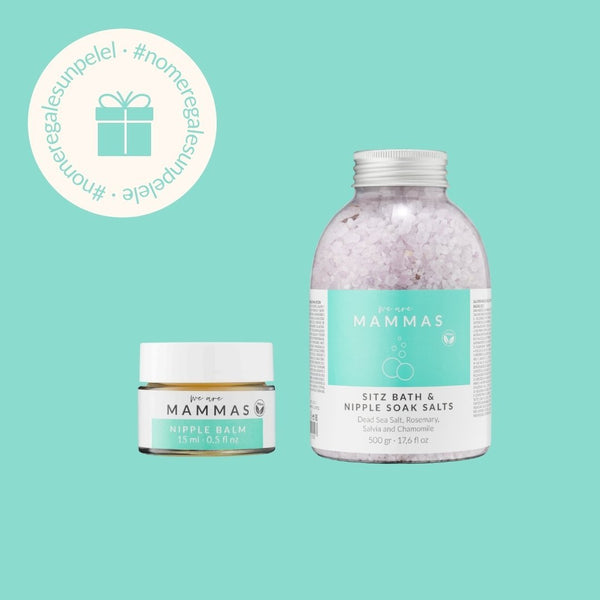
As an extra tip, you can take sitz baths in the area several times a day with warm water, adding a teaspoon of our Dead Sea salts. We assure you that the experience is very pleasant and you can turn it into a moment of pampering for yourself.
In short, hemorrhoids are a very common discomfort during pregnancy, as hormonal changes and pressure in the rectal area can trigger their appearance. Although they can be very uncomfortable, it's important to know that they usually disappear after childbirth.
If you want to prevent hemorrhoids during pregnancy, you can take simple steps such as maintaining a healthy and balanced diet, exercising regularly, and avoiding sitting or standing for long periods of time.
And remember, it's essential to consult your doctor if your hemorrhoids cause you significant pain or if they don't disappear after childbirth. With proper care, hemorrhoids can be managed and shouldn't be a cause for extra worry during pregnancy.
Keep your spirits up!