My personal journey through sore and cracked nipples
The pain and the cracked nipples during breastfeeding are one of the most common struggles for new mothers, and also also sson one of the main reasons why mothers end up breastfeeding in advance.
Cracked nipples can be very painful and discouraging. What can be done? What are the causes?
In this post, I'm going to share my personal experience of how I was able to heal my nipples and continue breastfeeding. Because, as we always say, breastfeeding is a unique and diverse experience, and it should be lived on our own terms!
My name is Marta Aguiar and I'm the co-founder of We Are Mammas. I'm a mom of two girls, Olivia, 6, and Mia, 9, and although I'm a strong advocate for breastfeeding, I know firsthand that it isn't always easy. So I'm delighted to share my story with you: exhaustion, latching difficulties during the first few days, cracked nipples, pain, and various other things further.
THE BEGINNING
When I gave birth to my first daughter, Mia, I was convinced that breastfeeding would be easy (my mother had told me that I latched on and it was a breeze). I knew firsthand how beneficial (and convenient!) breastfeeding is and I was 100% confident in my ability to breastfeed (I know... how naive).
After a very long labor (at the Barcelona maternity ward, I met three different shifts of midwives... you can do the math for the hours I was there), I was exhausted, and my breastfeeding problems started right there in the delivery room. Mia's latch wasn't correct, but I was so worn out I couldn't face trying to get her to latch on again and again. I have to say, I thought breastfeeding had been practiced for so long that mothers should have I had a natural talent for it..., but I was wrong.
A week after leaving the hospital, Mia was a restless baby (I have to admit (I think I was hungry...) I was still exhausted and my nipples felt like I had a hedgehog walking on them 24 hours a day.
I was so desperate to make the whole process as quick as possible that when I started breastfeeding, I would let her stay on even if the latch wasn't correct. And this ended up being a disaster. I started to panic before breastfeeding and I would break out in a cold sweat every time I saw Mia was hungry.
At that moment I started searching I searched on Google and discovered I realized that what was happening to me wasn't unusual. I tried every trick I could find, but my pain worsened as the days and weeks went by, until it became unbearable.
Mia was born in December, it was Christmas, and our house was filled with guests and family who wanted to meet her (she was the first baby in the family). I didn't even have the strength to say no; it was as if I were living outside my body and spending the day on autopilot. And it took a huge toll on me, both physically and mentally. physical as well as mental.
HOW DID I HEAL MY SORE AND CRACKED NIPPLES?
Since giving up wasn't an option (I'm so stubborn!), I did what I should have done from the beginning: seek expert guidance. Jordi from mamapit was my savior; he corrected Mia's latch and told me about braces (we'll do a specific post about them later). And a Once the frenulum issue, the grip and the position are resolved, we work together on the nipple healing plan.
Step 1 - Perfect Grip
When Mia started breastfeeding, I had to be 100% sure that there was a perfect latch.If we didn't get off to a good start, I'd take it off and start again until we got it right. After watching hundreds of videos, I think the one I've linked below perfectly explains the gripping process. It was very difficult because the grip was incredibly painful; I literally saw stars.
Here I leave you the video!
And also I have a great tip for you! I discovered that starting breastfeeding by The side that was "better" (less sore) and then switching to the side that hurt more helped a lot since the baby wasn't nursing with the same strength.
Step 2 - Taking care of my nipples
This is where I started my "healing regimen." And I was very strict, I didn't skip a single dose and I didn't allow myself any excuses.
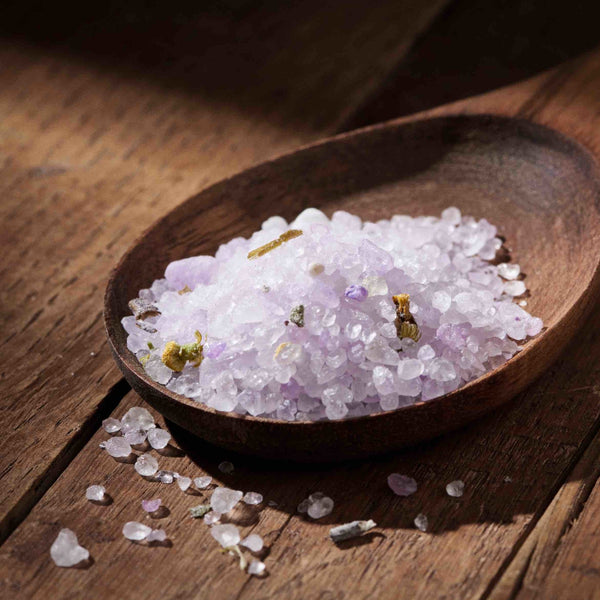
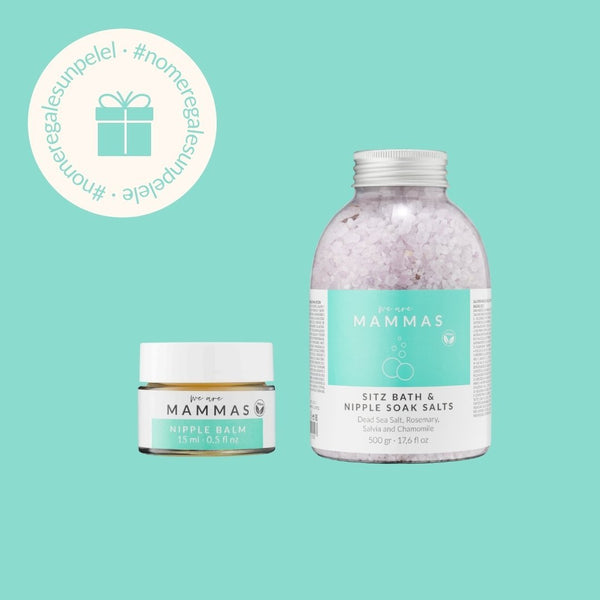
- Each time we finished, I would express a little milk and let it dry on my nipple. Then, I would give myself a "bath" in a saline solution of warm water and Dead Sea salt (I dissolved it in warm water and used two shot glasses to apply it—careful! only for 6 to 8 minutes!) and let them air dry.
- After that, I applied a nipple balm (I think I've tried more than 20 types throughout the two breastfeeding periods) since the lactation consultant told me I didn't have any infection that required antibiotic creams.
- And I carried out this regimen religiously every time I finished breastfeeding (it was a big effort, especially while learning to care for a newborn, but I made it a priority)
And suddenly things started to improve, my nipples were healing, breastfeeding was much less painful and I was starting to stop dreading the moment of giving the breast.
Ten months later, my daughter and I were still with breastfeeding happily.
KEY TIPS
I'm sharing these tips in case they help you avoid an experience like mine, but my first recommendation is that you put yourselves in the hands of professionals:
Every time you breastfeed:
- Make sure the latch is perfect. If you're unsure, consult a lactation consultant.
- If the latch isn't perfect, try to correct it, either by gently opening the baby's lips or by removing the latch completely and trying again. Don't continue breastfeeding with a poor latch, as this is the cause of dreaded cracked nipples.
- After breastfeeding, make sure your nipples are dry (air drying is best).
- Apply a balm (preferably natural and lanolin-free) to help regenerate the skin.
Other recommendations to combat nipple pain or cracks:
- Talk to a lactation consultant to address the problem. They can check for various issues, such as proper latch, tongue or lip positioning, etc.
- Start breastfeeding from the less painful side.
- Start breastfeeding at the first sign of hunger from your baby, to avoid anxious sucking.
- You can try silicone nipple shields, but consult a lactation consultant first.
- After breastfeeding, try applying cold to relieve pain. If you have any wounds, avoid heat as it can lead to infection.
- If you use absorbent pads, make sure they are kept dry and change them frequently.
- Use a saline solution if your nipples bleed or crack (never for more than 6-8 minutes)
- Use a nipple balm, as I mentioned before. After trying many, we decided to create our own natural, vegan one. If you think you have an infection, don't self-medicate; consult a doctor first.
- If you are breastfeeding in pain, you should prepare yourself mentally for likely experiencing distress. This is normal and will disappear as your nipples heal and breastfeeding becomes less painful (and it will).
And remember that having a difficult start DOES NOT mean that you won't have a long and successful breastfeeding experience.
I hope everything I've shared in this post helps you on your journey. Will you share your experience with us?